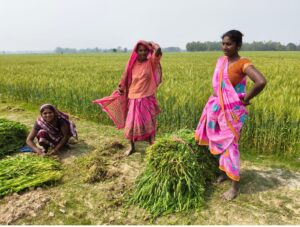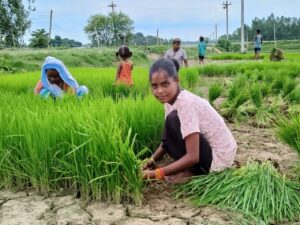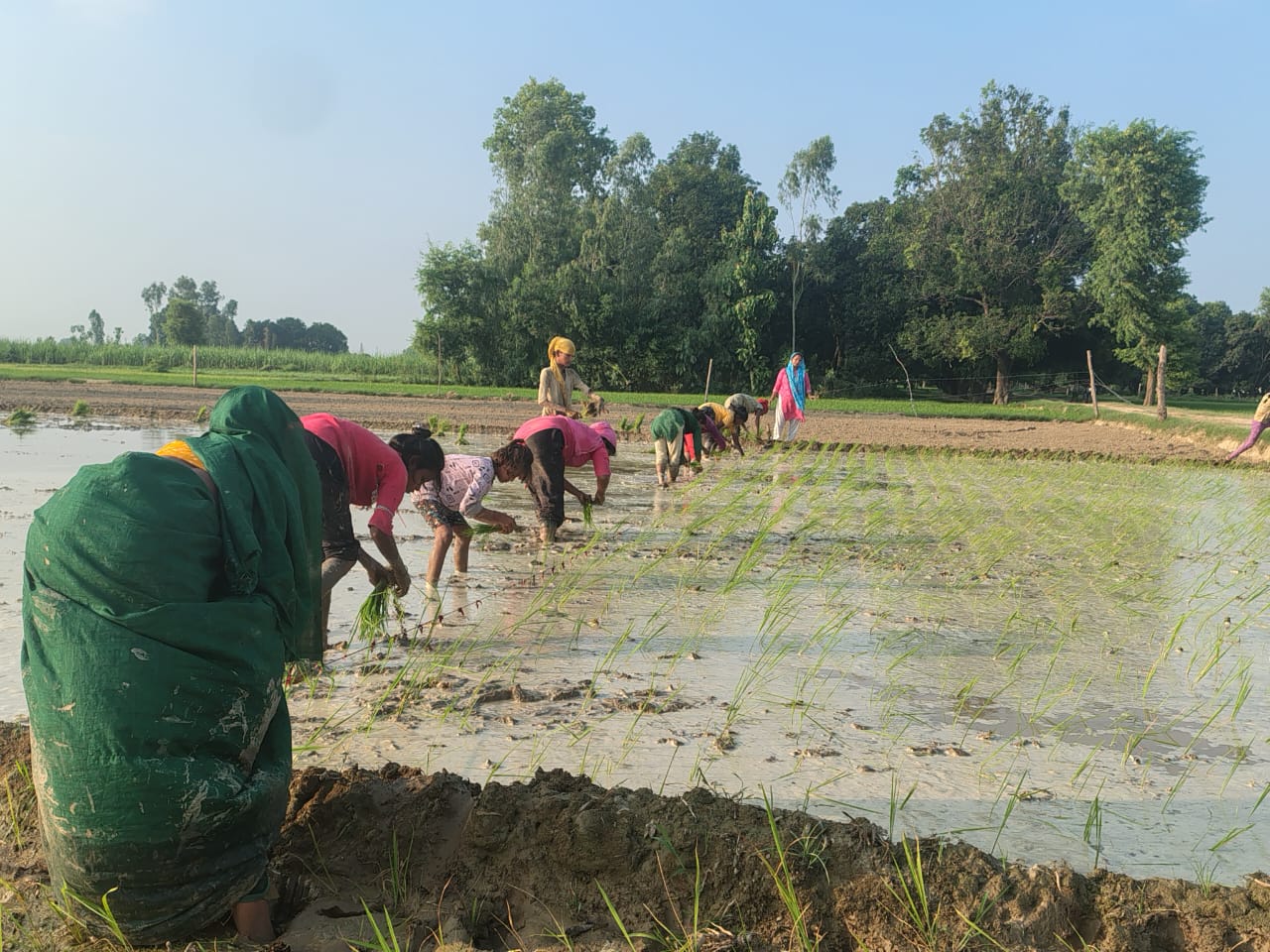
These days, a trip to the sabzi mandi is a great example of how climate change is impacting India.
Tomatoes, onions, tur, urad… No crop has been spared by erratic weather conditions, a price the common man now pays heavily for.
We might think climate change makes only those living on the coast or in some parts of the country more vulnerable.
But the truth is, the bleak consequences have seeped into every part of life. The average Indian breadwinner or homemaker can definitely feel the pinch as they shell out more money today than some years ago to ensure their family is well-fed.
Much of this can be attributed to crop loss, or the percentage of yield/output that a farmer could have otherwise expected had the crop not been affected by external forces like pests, disease or, now increasingly, climate change.
How does crop loss occur?
We all know it takes a combination of favourable water, soil and temperature conditions to get a successful yield. If any of these factors go awry, it’s easy to lose a portion of the crop to the damage caused.
The previous three years alone have given us many examples of this.
In 2022, a heatwave in the northern parts of the country, particularly Punjab, Haryana, Uttar Pradesh, Rajasthan, and Madhya Pradesh, wreaked havoc with our wheat production. The heatwave occurred during the grain-filling stage, which is an essential part of the process. In some places, mercury soared to around 45 degrees Celsius, which inadvertently caused the grain to mature earlier. The grain size and yield was impacted and the government estimated a drop of 3-4 million tons in wheat production.
If 2022 saw excessive heat, 2023 witnessed a scarce monsoon. A deficit led to drought conditions in several southern and western states, particularly hitting Karnataka and Tamil Nadu. The two states saw reduced rainfall of around 30 per cent. Worse still, this was during the growing stage of crops like millets, pulses, and sugarcane, leading to reduced output.
2024, on the other hand, was affected by excessive flooding. Swathes of arable land went underwater as heavy rains lashed across parts of Assam, Bihar, and West Bengal in July. Crops like rice, jute and vegetables were impacted, leading to losses for many farmers in these areas.
The problem with climate change is also the future damage it causes in one go. The heavy rain also caused soil nutrients to get washed away, thereby already impacting the next crop cycle too.
Who does crop loss impact most?
There is no short answer to this. Crop loss has a ripple effect, impacting not just the farmer who sowed the seeds but also the common Indian man as explained above.
To begin with, agriculture employs close to 60 per cent Indians. Thus, crop loss can lead to a devastating loss of income for many Indians, hitting small and marginal farmers the most.
Agriculture is also a major contributor to our country’s gross domestic product (GDP), so significant yield reduction impacts our annual numbers too.
Moreover, as more and more farmers realise how unviable the profession is turning out to be, many now seek better futures in cities – leading to overcrowding and rapid urbanisation.
Lastly, if the yield goes down, it directly impacts the supply of said crop, causing inflation and food prices to rise.
All of the above is just on a national scale. Unfortunately, the domino effect spills over globally as well, especially since India is a leading exporter of many crops like rice, wheat or cotton.
There have been instances in the past when India has had to ban exports of some goods, due to prioritising domestic supplies, which not only reduces the income derived from these crops, but also causes fluctuations in the global market as well.
What can we do about crop loss?
While we cannot stop climate change in its tracks, we can, however, help farmers become more resilient against it.
At a governance level, it is imperative we invest in research and technology to better predict and manage the risks associated with climate change. Which is why it was a great sign to see this reflected in the government’s agricultural sector budget for 2024-2025.
At the ground level, implementing climate-resilient agricultural practices, like drought-resistant crop varieties, improving irrigation systems, and adopting sustainable farming methods, can help.
Which is why we at Oorja have made it our mission to help small scale farmers. We are driven by the belief that making affordable and reliable clean energy accessible to those who need it the most will reduce fossil fuel consumption and expenses, increase productivity and income among marginal farmers. As a result, this will not only bring about rural development but also reduce deadly greenhouse gas emissions.
For instance, findings from three solar pumping pilots that have completed a year of operations showed that farmers have increased crop yields by 15 per cent or more. Moreover, many have expanded into a third growing season, thanks to year-round water availability.
No change happens overnight. But slowly, steadily, things can indeed improve.
Written by: Simran Ahuja (former Social Media Intern)