For a large percentage of Indians, nothing brings a glimmer of hope more than looming grey clouds.
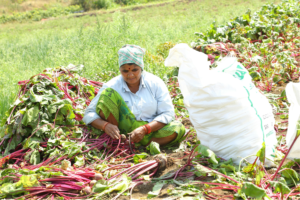
A normal and well-distributed monsoon is crucial for the 61 percent of Indian farmers who are dependent on rains for practising agriculture. Essentially, about 55 per cent of India’s net sown area (139.42 million ha) relies heavily on the monsoon season for irrigation and this is responsible for 34 of the country’s 40-odd major crops.
Unfortunately, with unpredictable rainfall patterns, these Indian farmers – largely smallholders- are unable to gain the expected yields or income.
It comes as no surprise then that India is the largest consumer of groundwater for irrigation purposes. With no guarantee over how monsoons may fare, farmers have increasingly been turning to water pumps as a buffer against rainfed irrigation. Through this, farmers can be assured of receiving sufficient water supply for their crops, which in turn impacts the yield and productivity for them.
The catch here, however, is that farmers tend to rely on diesel-based pumps. What is good for crops doesn’t always mean it is good for the environment too. This tradeoff is slowly starting to be expensive if India plans to cut its agri-related carbon emissions.
Moreover, the fluctuations in the price of diesel make this alternative an expensive one for farmers, some of whom earn only a mere sustenance from all their efforts.
Why are solar pumps not gaining popularity?
Recognising the pitfalls, the government of India has been trying for a long time now to switch out diesel pumps with solar-powered ones. Water pumps that are diesel-operated emit close to 15.4 million tonnes of carbon dioxide. By adopting solar irrigation, the government hopes to bring down emissions by 32 million tonnes.
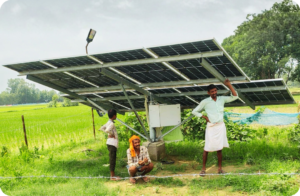
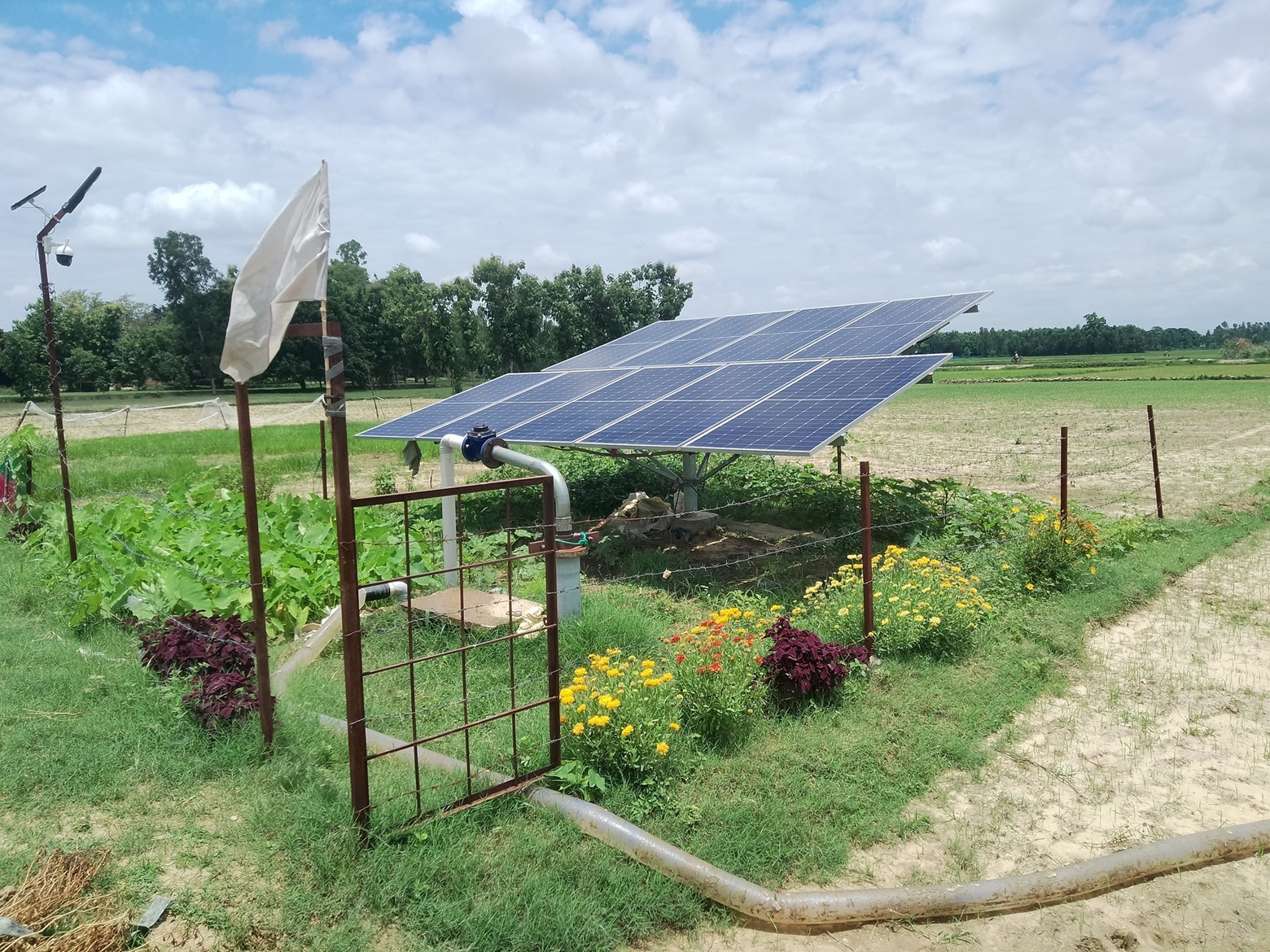
(Simply explained, solar irrigation pumps work by converting sunlight into electricity through photovoltaic (PV) panels. These panels in turn help power an electric motor, which drives a water pump. The pump can then be used to draw water from a source – groundwater – and then distributes it to the fields for irrigation. Since this system runs on the abundant supply of solar energy, it gets rid of reliance on diesel fuel.)
Sounds good, right?
And yet, this 2023 news article shows that of India’s 30 million groundwater pumps, a whopping 20 million pumps connected to the grid. Of these, 10 million are powered through diesel, whereas only 3.9 million pumps are run using solar energy.
In comparison to diesel pumps, solarised irrigation pumps are a greener, cheaper and more reliable energy source for farmers. Moreover, it is advantageous to farmers in remote parts of the country, who may not have access to electricity.
Though beneficial to farmers, certain issues with solar energy do crop up, and this hinders adoption. For starters, there are high initial costs that small-scale farmers cannot bear. Yes, solar irrigation can save money in the long run, but the upfront cost of purchasing and installing solar pumps and panels is still too costly for farmers. Even with government subsidies, farmers could find it difficult to afford.
Secondly, solar pumps need regular maintenance and farmers may lack the know-how or resources for this.
How do we help more farmers adopt solarised irrigation?
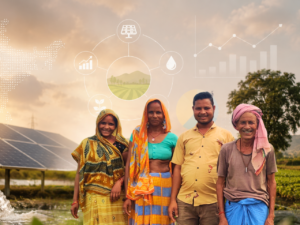
Given that 86 per cent of Indian farmers are small and marginal, we need to find ways to make solar energy more affordable to them. Instead of asking farmers to pay large costs to own a solar pump, Oorja offers integrated farming services at a pay-per-use basis. Essentially, Oorja installs and looks after the running of the pump, and farmers (the pump is shared on a community basis) pay only as per their consumption.
The model is more inclusive and gives farmers access to water all-year-round. Since inception, we have seen 57 per cent increase in agricultural income in one year, and over 2,500 tonnes of carbon emissions saved.
The pay-per-use model lightens not just the financial burden of farmers but also reduces the load on the groundwater table. Solar water pumps are also guilty of leading to overexploitation of groundwater for irrigation.
Since groundwater depletion is a major challenge, Oorja makes use of flowmeters to monitor the amount of water being pumped. Customers are charged on a volumetric basis. Essentially, since farmers are paying for the water they consume – and not for fuel or electricity – they are more cautious about usage. Overirrigation would only lead to overall costs.
In 2022, Oorja started the annual monitoring of groundwater levels in our areas of operations in Bahraich and Hardoi. The results from our groundwater monitoring show that the implementation of solar irrigation pumps by Oorja hasn’t resulted in any significant change in the groundwater levels in the past year.
Of course, this needs to be a continuous exercise and we are committed to ensuring a judicious use of groundwater, come rain or shine!
Author: Simran Ahuja (former Social Media Intern at Oorja)